
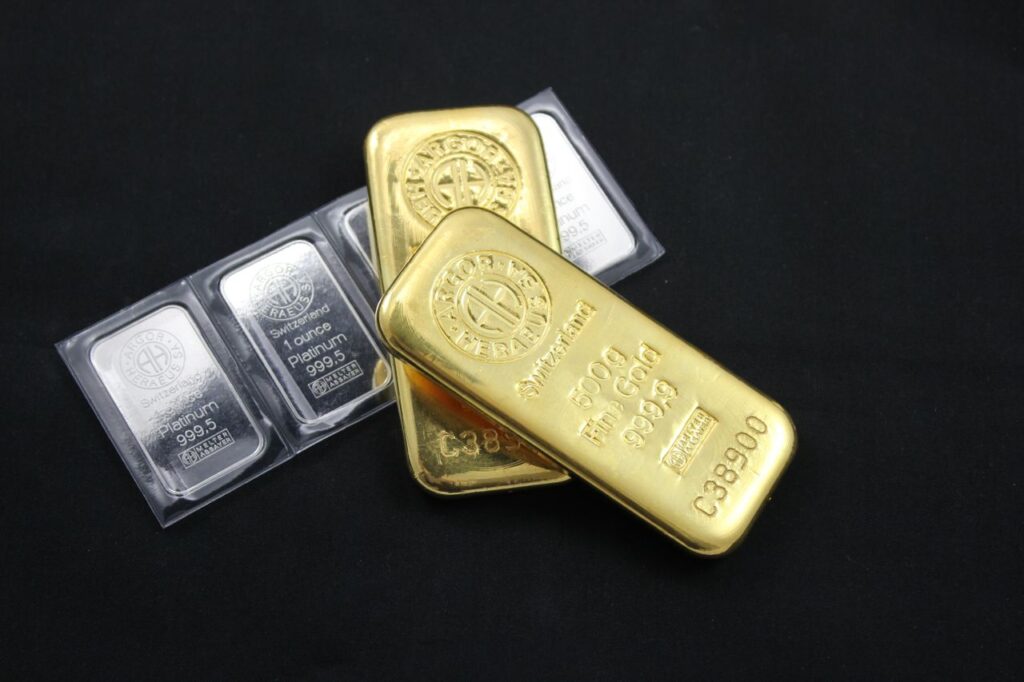
Gold and silver are often discussed as though they are direct competitors, with investors expected to choose one metal and ignore the other. In practice, they behave differently enough that many people prefer to hold both. Anyone looking to buy gold and silver is effectively combining two assets that share some characteristics but respond to economic conditions in different ways, and that difference can be useful when the aim is diversification rather than trying to predict which metal will outperform next.
Gold is usually seen as the more defensive of the two. It has a long history as a store of value and is widely held by central banks, institutions and private investors. During periods of financial uncertainty, geopolitical tension or concern about currencies, gold often receives increased attention because it is not tied to the fortunes of a single company or government. That does not mean its price always rises during a crisis, but its role in portfolios is often linked more strongly to capital preservation than to industrial growth.
Silver occupies a more complicated position. It is a precious metal, but it is also heavily used in industry. Electronics, solar technologies, medical applications and manufacturing all contribute to demand, which means the silver price can be influenced by economic activity in a way that gold often is not. This gives silver a different character: it can benefit from some of the same safe-haven interest as gold while also responding to trends in industrial production.
That combination is one reason investors sometimes avoid treating the two metals as interchangeable. Gold may behave more defensively when markets are nervous, while silver may show stronger moves during periods of improving growth or rising industrial demand. Holding both can therefore create a broader exposure to the precious-metals market than concentrating on only one.
Price is another important distinction. Silver is far cheaper per ounce than gold, which makes it more accessible to people who want to build a physical holding gradually. Someone can purchase a relatively small amount of silver without committing the level of capital required for a meaningful gold purchase. This can make silver attractive to newer buyers or those who prefer to add to their holdings regularly.
The lower unit price can also make silver more flexible when it comes to selling smaller amounts. If an investor needs to liquidate only part of a holding, selling a few silver coins may be easier than selling a larger gold bar. The trade-off is that silver takes up much more physical space for the same monetary value, which becomes increasingly important as the size of the holding grows.
Storage is therefore one of the most practical differences between the metals. Gold is extremely value-dense. A relatively small quantity can represent a significant amount of money, which makes it easier to store securely. Silver is bulkier and heavier, so investors building a substantial position may need to think more carefully about storage costs, insurance and physical security.
Premiums can differ too. The spot price is only one part of what a buyer actually pays for physical bullion. Dealers add premiums to cover production, distribution and their own margin, and those premiums can vary depending on the product and market conditions. Smaller silver products can sometimes carry relatively high percentage premiums compared with larger gold bars, which means entry price matters when comparing the two.
Liquidity also needs consideration. Recognised gold coins and bars tend to have a deep international market, while silver is also widely traded but can involve different spreads and dealer terms. Well-known products from established mints or refiners are usually easier to resell than obscure or highly specialised pieces, regardless of the metal.
Some investors hold both metals because they see them as a way to diversify away from financial assets such as shares and bonds. Physical precious metals have no earnings, dividends or interest payments, which is a disadvantage when markets are strong, but it also means their value is not dependent on corporate profits. This different return profile is part of the appeal for people who want assets that may behave differently from mainstream investments.
Inflation is another frequently cited reason for owning precious metals, although the relationship is not always straightforward. Gold in particular is often viewed as a hedge against the erosion of purchasing power over long periods. Silver can benefit from similar concerns, but industrial demand can pull it in different directions at the same time. Holding both allows investors to participate in that broader inflation-hedge narrative without relying entirely on one metal.
Interest rates can affect both as well. Because gold and silver do not produce income, rising real interest rates can make interest-bearing assets more attractive by comparison. Falling real rates can have the opposite effect. The reaction is rarely perfectly predictable, but investors who hold precious metals should understand that monetary policy can influence prices even when nothing changes in the physical market.
The gold-to-silver ratio is another reason some investors watch both. This ratio shows how many ounces of silver are needed to buy one ounce of gold. Historically, it has moved significantly over time, and some investors use it as a rough guide to relative valuation. A very high ratio may suggest silver is relatively cheap compared with gold, while a low ratio may indicate the opposite. It is not a guaranteed trading signal, but it can help explain why some buyers rebalance between the metals rather than choosing one permanently.
Volatility is usually greater in silver. Its smaller market and dual role as both an investment and industrial commodity mean price movements can be sharper. For some investors, this creates opportunity. For others, it is exactly why gold feels more comfortable. Holding both allows a portfolio to combine the relative stability of gold with the greater upside potential and risk associated with silver.
That does not mean a 50-50 split is necessarily appropriate. The balance depends on the investor’s goals, risk tolerance and reason for owning precious metals in the first place. Someone focused on wealth preservation may lean more heavily towards gold, while someone comfortable with more volatility might allocate a larger share to silver.
Physical form matters as well. Coins are often popular because they are recognisable and easy to trade in smaller amounts, while bars can offer lower premiums per ounce at larger sizes. Investors holding both metals may use a mixture: gold bars or larger coins for value concentration, and silver coins or smaller bars for flexibility.
Tax treatment can also influence the decision, depending on the jurisdiction and the specific bullion product. Some coins may receive different tax treatment from bars, and VAT or capital gains rules can differ between gold and silver. Buyers should understand the local rules before making large purchases because taxation can materially affect the overall return.
Security deserves serious thought too. Physical ownership removes some forms of counterparty risk, but it introduces the practical challenge of keeping valuable assets safe. Home safes, bank deposit facilities and specialist vaulting services all have advantages and drawbacks. Gold’s compactness makes secure storage easier, while silver’s bulk can become an issue more quickly.
There is also the question of whether to own physical metal at all. Exchange-traded products and other financial instruments can provide exposure to gold and silver prices without the need for storage. However, investors who specifically want direct ownership may prefer physical bullion because it is held outside the financial system. The choice depends on what purpose the investment is meant to serve.
For some people, the attraction of holding both metals is psychological as much as financial. Gold can feel like a long-term reserve asset, while silver offers a more accessible way to add to a position regularly. That can create a practical routine where smaller silver purchases sit alongside occasional gold purchases.
The important point is that diversification only works if the assets genuinely behave differently enough to matter. Gold and silver are correlated to some degree, so holding both is not the same as diversifying across completely separate asset classes. Even so, their different market drivers mean they do not always move in lockstep.
Investors should therefore avoid assuming that owning both metals automatically eliminates risk. Precious-metal prices can fall, sometimes sharply, and neither offers guaranteed protection against inflation, recession or market losses. The value lies in understanding how they fit within a broader portfolio rather than treating them as a complete investment strategy on their own.
For many buyers, holding both gold and silver is less about predicting a winner and more about accepting that each metal serves a slightly different purpose. Gold offers compactness, global recognition and a strong defensive reputation, while silver brings accessibility, industrial exposure and potentially greater price movement.
That combination can make sense for investors who want broader precious-metals exposure without depending entirely on one set of market drivers. The best balance will vary, but the logic is straightforward: two related assets can still play different roles, and that difference is often the reason people choose to own both rather than force themselves to pick only one.